
How Do Porta Potties Work?
There's no plumbing involved. The seat sits over a holding tank built into the base of the unit, and waste drops straight down into that tank instead of flushing away. A packet of blue chemical treats the waste, breaking it down and knocking back the smell until the next pump-out. Standard units run about 44 by 48 inches on the ground and stand roughly 92 inches tall, which is why they fit tight jobsite corners without eating much space. Standard porta potty rental covers this exact setup, and it's what most construction crews and backyard events end up renting. A construction worker walking to a porta potty on a Jackson jobsite is using the same basic design whether the unit sits at a downtown build site or out past Clinton, 9.7 miles west. Service techs check tank levels, restock tissue, and reapply chemical on each visit, which keeps the unit from smelling before the next scheduled stop. If you're trying to figure out how many porta potties you need for a crew, tank capacity and worker count both factor into that math.
How Does a Flushable Porta Potty Work?
A flushable unit uses a small onboard freshwater tank and a foot pump or handle to push a rinse of water down after each use, which is a step up from the chemical-only standard unit. It still drains into the same kind of holding tank underneath, it just adds a rinse cycle so there's less residue on the bowl. That's the difference you're paying for with a deluxe flushable porta potty: a self-contained flush, sometimes a sink, and a nicer interior finish. These get used for weddings, backyard parties, and any event where guests expect something closer to a home bathroom. If you're comparing it against a full bathroom trailer, the restroom trailer rental page breaks down when a trailer makes more sense than a flushable single unit, especially for something like a wedding restroom rental in Jackson where guest count matters.
How Does a Portable Sink Work?
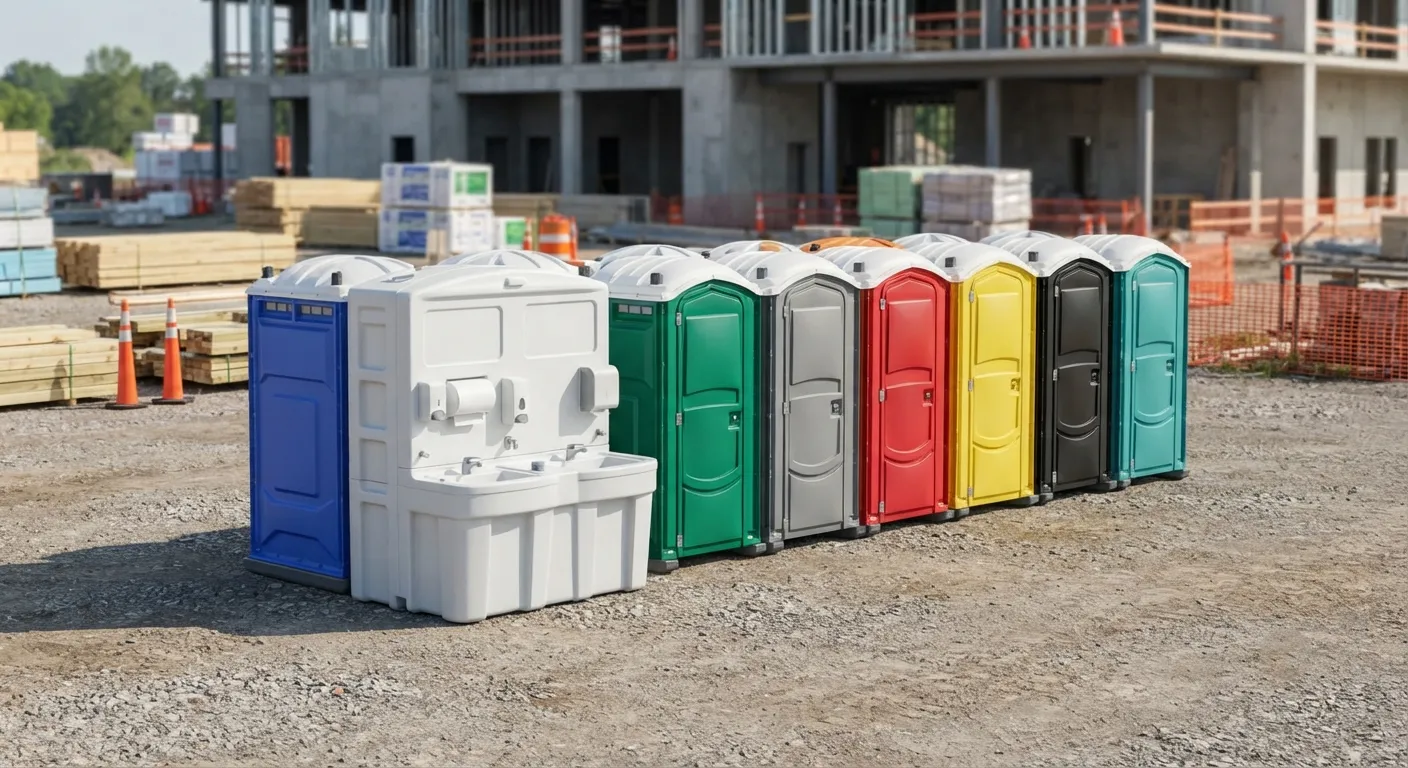
A portable handwashing sink runs on a foot pump or a small onboard pump that pulls fresh water from a built-in tank, pushes it through the faucet, and sends greywater to a separate holding tank underneath, no hose bib or drain line needed. Soap goes in a built-in dispenser. Under 29 CFR 1910.141(d)(2), handwashing stations need soap and towels or a hand-drying device on site, hand sanitizer alone doesn't satisfy that. That standard matters most on jobsites and food-adjacent events where OSHA 1926.51(f)(1) applies too, specifically anywhere workers are applying paints, coatings, herbicides, or insecticides and need to wash off contaminants afterward. A handwashing station rental or portable sink rental pairs with restroom units on most Jackson construction sites for that reason, and the handwashing requirements page covers which standard applies to which kind of site.
How Do Camping Porta Potties Work?
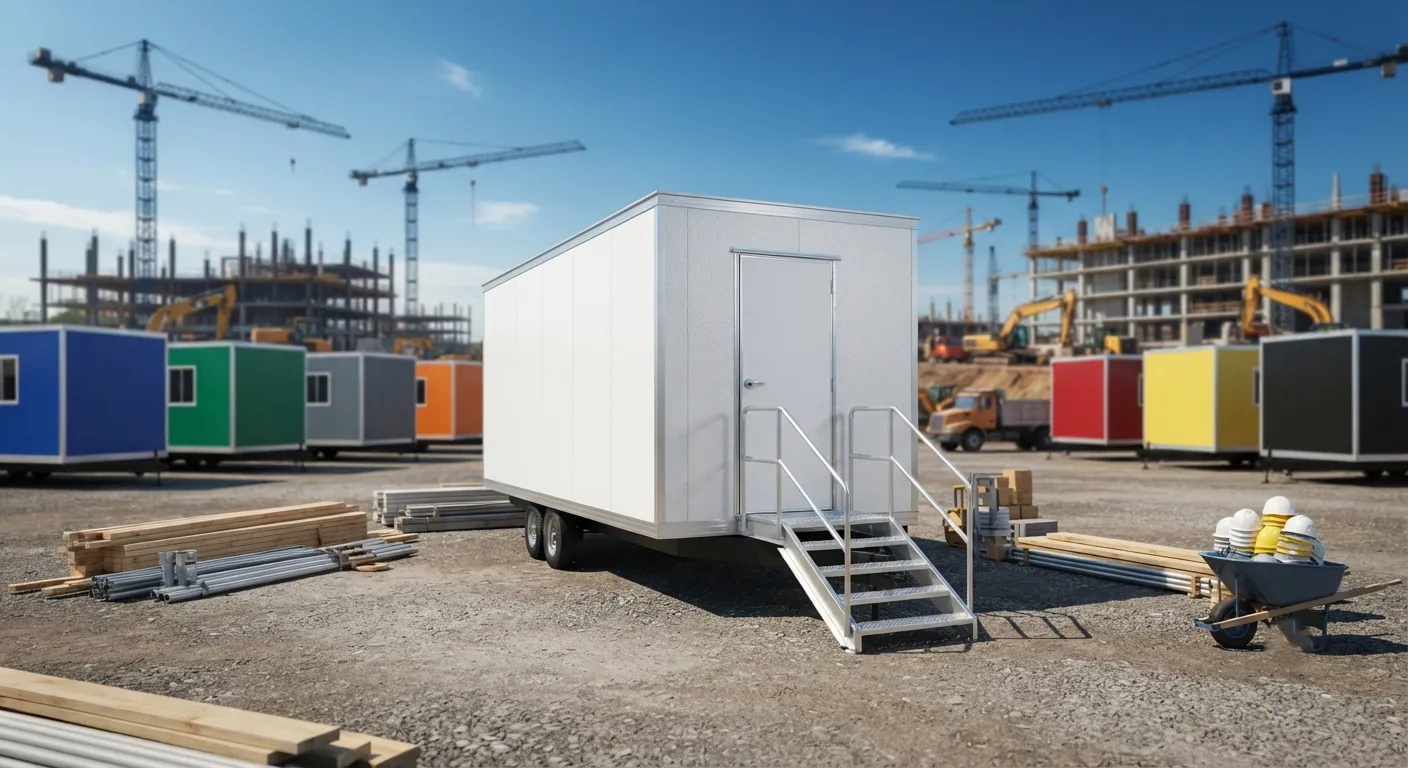
Camping-style portable toilets work the same way as jobsite units, just smaller and easier to move, a sealed tank below a seat, treated with chemical, serviced on a schedule. For an event or campground in Jackson, that means a standard porta potty rental or event restroom rental gets delivered, set on level ground, and serviced at the interval the job needs. ANSI/PSAI Z4.3, the industry sanitation standard, sets a baseline of one service visit per week for up to 10 users across a 40 hour week, though busier sites need more frequent pumping. Camping and festival restroom setups near Jackson often run through a weekend, and a weekend rental typically prices differently than a straight daily or weekly rate, so it's worth checking the porta potty rental cost page before booking. Whether it's a county fair or a private camping porta potty rental, the tank, chemical, and pump-out cycle stay the same.
| unit | day | week | month |
|---|---|---|---|
| standard | $100-$350 | $130-$500 | $125-$325 |
| deluxe | $85-$1200 | $150-$290 | - |
| ada | $200-$400 | $240-$400 | - |
Rates above are measured price bands, not quotes. For septic tanks at a home or business, similar chemistry applies on a bigger scale. A grease interceptor gets pumped once fats, oils, grease and solids hit 25 percent of the liquid depth, and a residential septic tank typically needs pumping every 3 to 5 years depending on tank size and household size. Septic tank cleaning chemicals sold at hardware stores can actually damage the bacterial balance a tank needs to function, which is why septic pumping service from a licensed operator beats a DIY chemical treatment. See how often to pump a septic tank for the fuller breakdown.
Frequently asked questions
How often does a porta potty get serviced?
It depends on use, but ANSI/PSAI Z4.3 sets a baseline of one visit per week for up to 10 users over a 40 hour week. High-traffic construction sites or multi-day events usually need two or more visits weekly. Jackson Porta Pros schedules around actual headcount, not a flat default.
Do porta potties smell?
They can, if service falls behind schedule or the chemical runs low. Regular pumping and fresh deodorizer keep smell down between visits. See do porta potties smell for what affects odor most.
How many porta potties does a jobsite need?
OSHA 1926.51(c) sets ratios by crew size: one toilet for 20 workers or fewer, then one toilet and one urinal per 40 workers above that. Full guidance is on OSHA portable toilet requirements.
Can I get an ADA-accessible unit?
Yes. ADA Standards 213.2 requires at least 5 percent of clustered units be accessible, never fewer than one. ADA accessible porta potty covers specs like the 60 inch turning circle required under section 304.3.1.
What chemical goes in a porta potty?
A blue deodorizing chemical designed to break down solid waste and control odor between pump-outs. It's different from septic tank treatments, and using the wrong product can cause backup or damage. Ask Jackson Porta Pros which product is loaded before service day.
Next step
Get a delivery date
Tell us the address, the dates and the headcount. We size the order and confirm the route.